Life is Live: The Survival Lesson We Forgot from a 9-Month Revolution
In 1942, an entire industry pivoted from cars to tanks, trucks, and bombers in just nine months. Think about that for a moment. An industrial giant,...

All tasks in Shop Floor Management -
digitally supported with the functions of ValueStreamer®.
ValueStreamer® as a leadership tool supports the continuous improvement of processes and the optimization of collaboration.
Optimize processes in all areas of your business with digital Shop Floor Management. Learn more about the use cases.
4 min read
Stephan Albrecht
:
Apr 15, 2026 4:55:38 PM
Table of Contents
In 1942, an entire industry pivoted from cars to tanks, trucks, and bombers in just nine months. Think about that for a moment. An industrial giant, designed to mass-produce civilian vehicles, completely re-wired its DNA to become the "Arsenal of Democracy." Today, many companies struggle to approve a new software feature in a year, let alone overhaul their core business. We admire the incredible speed of that era, but what did they know that we seem to have forgotten?
The easy answer is always a "unifying goal" – Win the War! But let's be honest. Trying to rally a team by comparing a product launch to the D-Day landings feels hollow and misses the true, profound lesson.
The true engine of this unprecedented transformation wasn't just the inspiring goal of victory; it was the terrifying, non-negotiable alternative: extinction. For the United States, losing the war meant the end of its sovereignty, its way of life. It was a Darwinian response to a sudden and lethal change in the global environment.
As Simon Sinek reminds us, business is an "Infinite Game." The objective isn't to "win" outright, but to keep playing, to stay in the game as long as possible. World War II was a massive, finite game that America had to win to secure its place in its own infinite game of national existence. For a modern company, successfully navigating a disruptive market shift – be it the rise of AI, climate imperatives, or geopolitical volatility – is the same: a finite battle that determines whether you get to keep playing or are removed from the game entirely.
Here lies the fundamental flaw in how many modern businesses operate. Decades of relative stability have bred complacency. Most companies have no living memory of a true existential threat and treat "survival mode" as an extraordinary, temporary event. And we have recent, undeniable proof.

image source: wikipedia
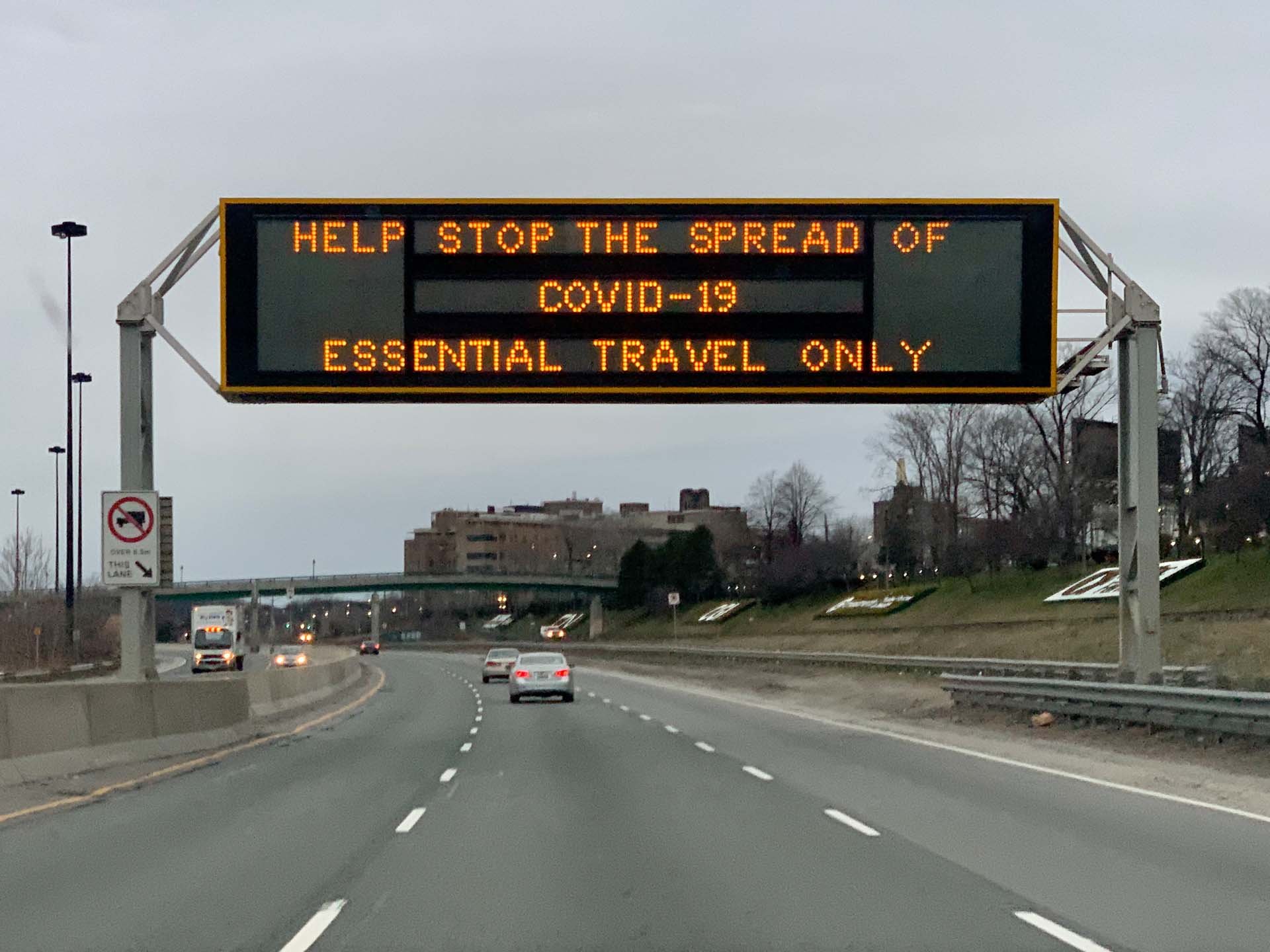
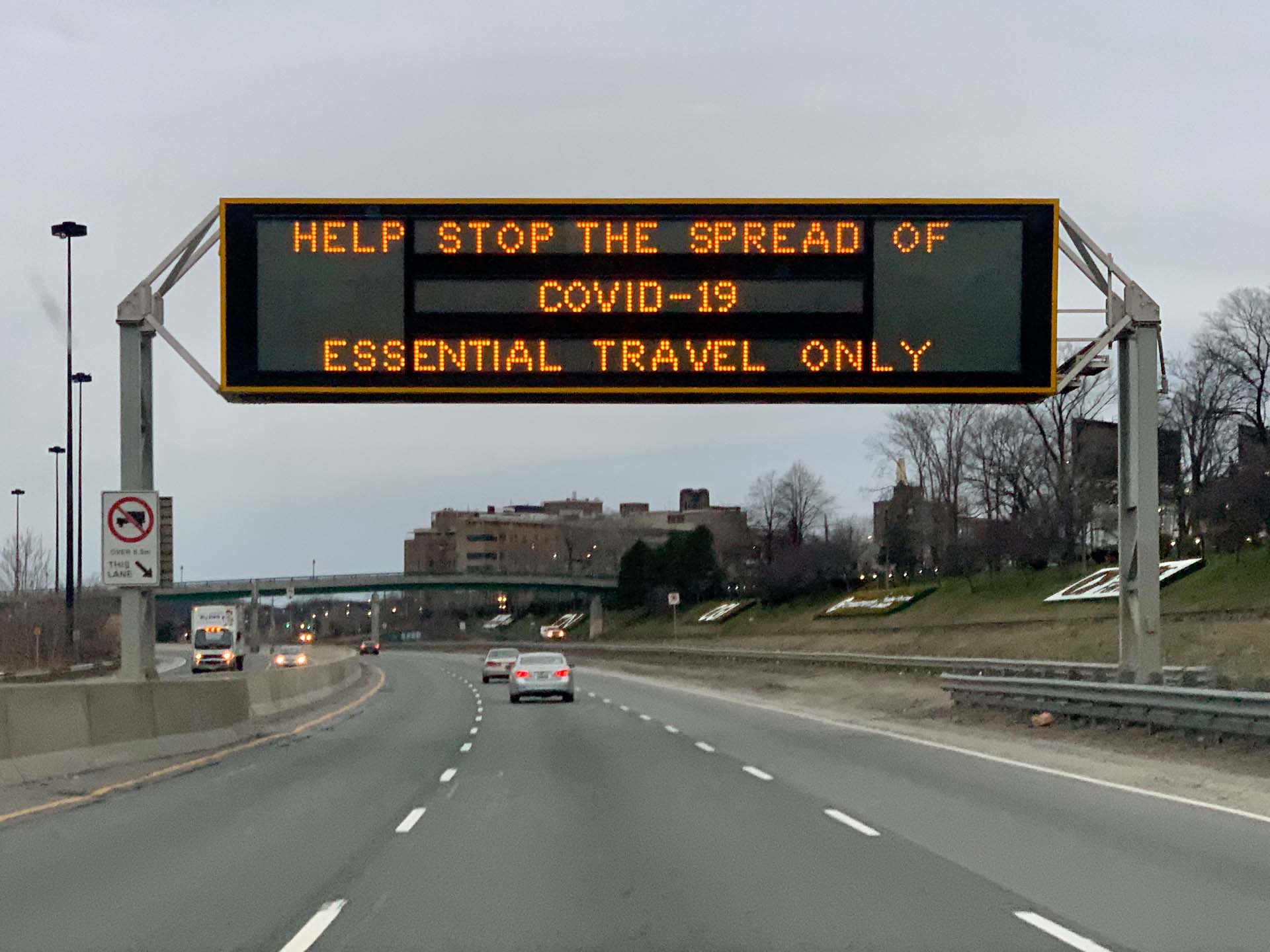
Look no further than the COVID-19 pandemic from 2020 to 2022. The world experienced a global shock, and businesses responded with incredible speed. Automakers like Ford and GM re-tooled factories to churn out ventilators and (ahem) masks. Restaurants became hybrid grocery stores overnight. Entire industries adopted remote work in a matter of weeks, shattering years of "it can't be done" inertia. It was a stunning display of adaptation—a global 'get fit quick' program that showed what was truly possible under duress.
But what happened next is the crucial lesson. The momentum was largely lost. As the immediate public health threat subsided, the "wartime" urgency vanished. The crisis was treated as a temporary storm to be weathered before returning to 'business as usual.' The fire drill ended, and the binder went back on the shelf. Before the dust could even settle on the pandemic, the next wave—generative AI—was already breaking, alongside persistent supply chain fragility and escalating geopolitical tensions. There was no 'normal' to return to. The crisis never ended; it just changed form.
This proves our central point: The market doesn't schedule its disruptions. Life is live. That’s why survival isn't a seminar you attend once a year; it's the air we breathe every day.
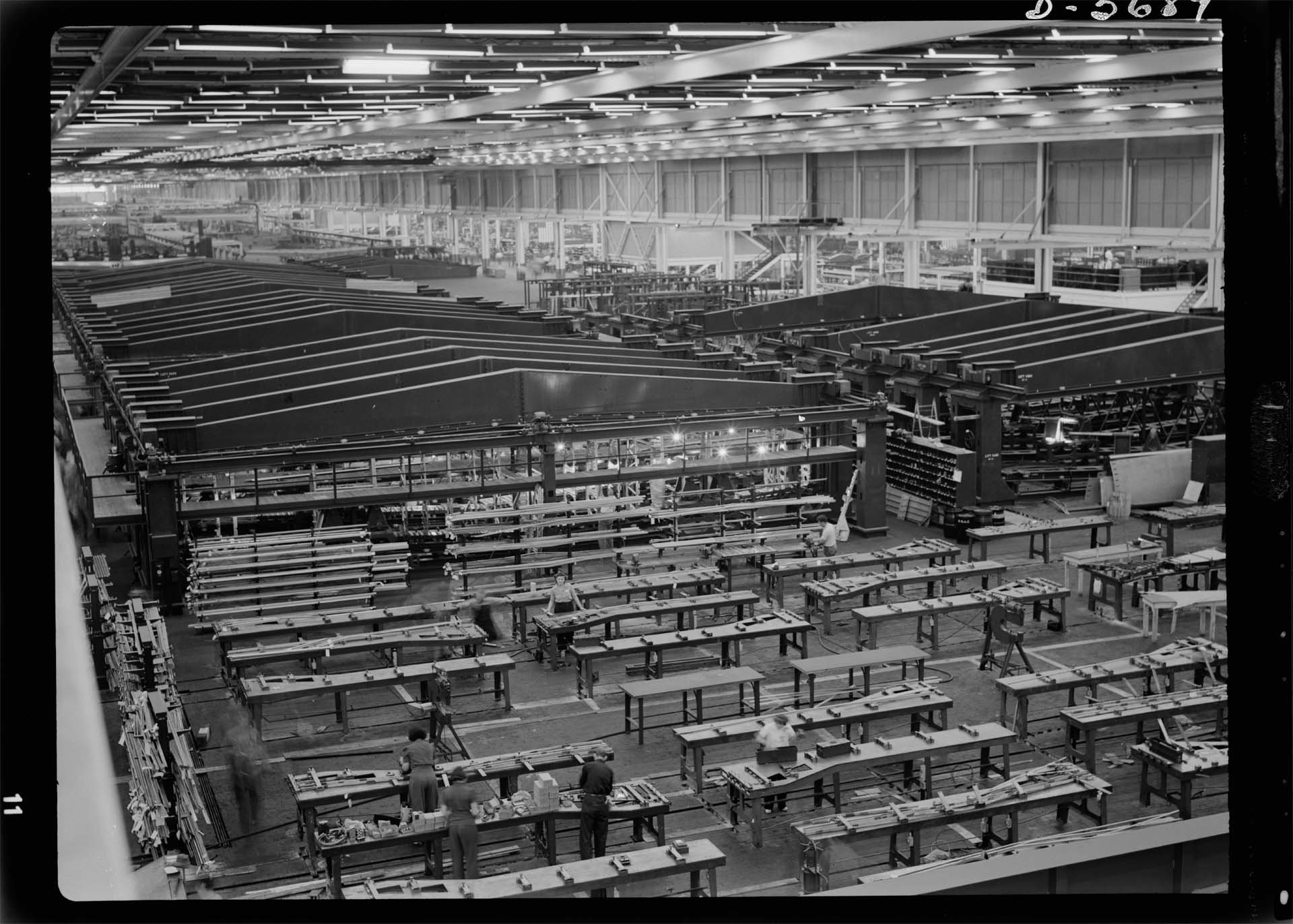
Amidst the chaos of 1942, companies like Ford didn't just build existing designs; they innovated their processes on the fly. At the colossal Willow Run plant, Ford was tasked with building the B-24 Liberator bomber – a complex aircraft that traditionally took thousands of hours to construct. Henry Ford, a pioneer of the assembly line, didn't approach it like an aircraft manufacturer. He approached it like a car maker.

image source: wikipedia
Instead of building a plane from nose to tail in one spot, Ford engineers broke the B-24 down into major sub-assemblies (e.g., wings, fuselage, tail) that could be built simultaneously on separate, moving lines. These completed sections were then brought together for final assembly on a massive main line. This modular approach, unheard of in aviation at the time, allowed thousands of relatively unskilled auto workers to contribute efficiently to complex aircraft construction. It was a masterclass in "decomplexification" and parallel processing, taking an intricate product and making its production scalable and repeatable with unprecedented speed. In its prime, Willow Run churned out a B-24 every 63 minutes. It wasn’t just brute force; it was brilliant process re-engineering, born from a survival imperative. For us today, this is actually normal, and yet many a quoting process takes significantly longer than the 9-month "re-tooling" at Willow Run.
The lesson for us today isn't to simply work harder in a crisis. It's to stop viewing adaptation as a temporary "mode" and start embedding continuous survival as our default state. It's not about training for a crisis; it's about building an organization that is inherently fit for life.
Cultivate Productive Paranoia: It's not about fear, but a constant, healthy vigilance. What's changing on the horizon? What fundamental shifts could make our current value stream obsolete next year? This means building internal "sensors" and decision-making loops that are always scanning and ready to interpret signals, not just react to confirmed threats.
Design for Adaptability, Not Just Brittle Efficiency: A perfectly optimized value stream for a predictable world becomes a liability in a volatile one. We need to build processes that are modular, flexible, and capable of absorbing shocks and redirecting flow without breaking. This is about building anti-fragility into your operational DNA.
Empower a "Live" Response: In a fast-changing environment, centralized, slow decision-making is a death sentence. Push authority and information to the edges of your organization. Empower teams on the front lines, who are closest to the "live" market, to make rapid, informed adjustments to value streams.
Conclusion: Stop Training. Start Living.
The 9-month revolution of 1942 and the rapid adaptations of 2020 weren't just historical anomalies. They were a stark reminder of our human capacity for incredible speed when the stakes are undeniable. But we treat these moments as exceptions, rather than learning the enduring truth they reveal: The fight for survival is constant.
The question for leaders is no longer: "Do we have a crisis plan?" The real question is: "Is our organization truly alive and dynamically fit for the infinite game, or is it just waiting for a reality check it isn't truly prepared for?"
Start the C.O.D.A.C. Check
The lessons from history and today's economy are clear: Survival requires brutal honesty. But where do you start?
Our C.O.D.A.C. Check (Company Operating Disruption & Adaptability Compass) is a free self-assessment tool that guides you through the crucial questions about your strategic future-readiness in just 5 minutes.
Find out if you are still creating the right value – or just optimizing the past.
To the free C.O.D.A.C. Self-Assessment
In 1942, an entire industry pivoted from cars to tanks, trucks, and bombers in just nine months. Think about that for a moment. An industrial giant,...

Let’s face it, the past few years have been a crash course in supply chain fragility. If you’re a CEO or senior manager in manufacturing, you've...
What’s Going Wrong, and What You Can Do About It If you manage a mid-level manufacturing company, you know the pressure of meeting yearly goals. But...